
Science-based targets (SBTs) for companies
We help with your carbon footprint, target development, and SBTi validation. SBTi-validated and SBTi-aligned targets provide a strong foundation for your decarbonisation strategy.
Get in touchWhat are science-based targets and why set them now?
Credible, science-aligned climate targets
Science-based targets ensure companies set sufficiently ambitious reduction goals grounded in climate science
Climate
Investor and financial market expectations
Banks, insurance companies, and investors increasingly demand substantial and credible climate action measures
Finance
Supply chain decarbonisation pressure
B2B and B2C customers demand binding climate measures, including science-based targets; customers may also ask suppliers to reduce emissions to lower their own scope 3
Supply chain
Sustainability regulations and transition planning
EU legislation requires climate targets and transition plans. SBTi-validated targets are the most recognised way to meet those requirements
Compliance

Guide to understanding science-based targets (SBTs)
This guide provides companies with the fundamentals of what science-based targets are, what the Science Based Targets initiative (SBTi) is, and how to get started on target-setting.
Download nowWhat we offer for your SBTi journey
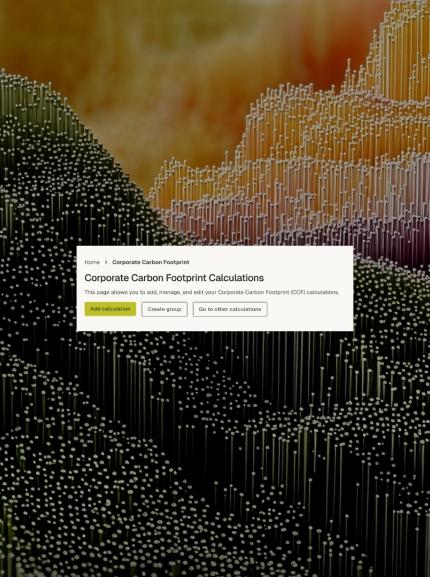
SBTi-ready Corporate Carbon Footprint
Audit-ready carbon footprint on all scope 1-3 categories as the basis for SBTi validation and, if needed, FLAG compliance.
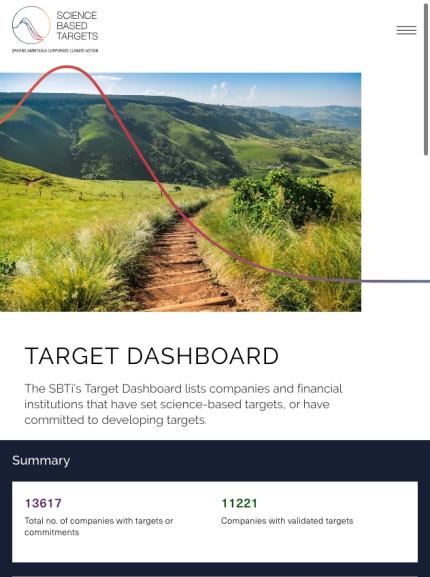
Target development, SBTi support
Validated near-term and net zero targets tailored to your company and support in SBTi validation process

Energy Attribute Certificates (EACs)
We support your strategy and procurement of EACs to help you reduce your scope 2 emissions

Decarbonisation strategy
We help you develop your individual net zero pathway with science-based targets, if you'd like to take that extra step
1. SBTi-ready carbon footprint | Data collection, calculation, audit check. Deliverable: Audit-ready CCF report (including FLAG-split if required). |
2. Target development | Development of individual near- and, optionally, long-term SBTs across key dimensions such as time frame, coverage, and targets types. Deliverable: Target documentation and management decision deck. |
3. Submission and validation support | Preparation and joint completion of the SBTi portal submission, covering over 400 data points. Deliverable: Fully completed, submission-ready SBTi portal. |
Business value of your validated science-based targets
Regulatory compliance
→ SBTi-compliant targets
→ Targets may also be used for CSRD reporting, no double work
Compliance
Fulfilment of stakeholder expectations
→ Aligned with investor and customer demands
→ Ready for communication targets externally
Stakeholders
Ready for future impact
→ Your validated targets open the door to deeper climate action: supply chain engagement to full decarbonisation strategy
→ Science-based targets help you communicate confidently about your climate progress
Impact
Companies that set science-based targets with ClimatePartner
In good taste: Fuchs Gruppe’s climate action recipe
CCF including FLAG emissions
Validated Science-based targets
Structured emissions data management
Fuchs Gruppe, a global leader in spices and herbs, partnered with ClimatePartner to measure its full carbon footprint and build a clear decarbonisation roadmap.

WAGO Group: 70% scope 1 and 2 reduction by 2030
70% reduction in scope 1 and 2 emissions by 2030
25% reduction in scope 3 emissions by 2030
Science-based targets validated by SBTi
WAGO Group partnered with ClimatePartner to calculate its Corporate Carbon Footprint and develop science-based reduction targets.

How ORTOVOX combines sports and climate action
Science-based reduction targets aligned to 1.5°C
100% renewable energy at headquarters
ClimatePartner certified
ORTOVOX, known for mountain safety and outdoor gear, works with ClimatePartner to calculate emissions and drive climate action across its value chain.

Delico AG: Climate action, well done
Corporate Carbon Footprint
SBTi target-setting
Combining science-based reduction targets and climate projects
Delico embeds climate action systematically into its corporate strategy. ClimatePartner supports the Swiss family business with carbon accounting, reduction target monitoring, and the ongoing development of its climate strategy.

Target setting and SBTi blog articles

SBTi Net-Zero Standard V2.0: How to prepare
The SBTi's updated Standard is a fundamental shift in target setting. Companies should still submit to the current Standard, which remains a strong framework.
Reading time 9 minutes

SBTi or CSRD? Overcoming the climate target dilemma
For companies navigating climate target-setting, the question is no longer simply "SBTi or CSRD?" but rather: "How do I build a climate data foundation that serves both frameworks and delivers value?
Reading time 6 min
Science-based targets FAQ
Although the new Standard 2.0 was published in June 2026, we recommend continuing to use the 'classic' standard for submissions until the end of 2027. This allows you to benefit from its simpler, well-established rules while already taking advantage of the V2.0 update regarding ambition for absolute targets.
A full scope 1-3 carbon footprint for all categories according to the GHG protocol standard. Additionally, the SBTi demands some special requirements on a FLAG-split, bio-energy use, system boundaries, etc.
Near-term targets are mandatory for an SBTi target, and are usually set with a target year in 5-10 years.
Net zero targets (also called long-termed targets) are optional within the SBTi framework and have a target year not later than 2050. They include a mandatory commitment to neutralise any residual emissions with high-quality removal certificates.
Start with a complete carbon footprint and book an expert workshop with us to understand all the technical details of an SBTi commitment.
A validated SBT fulfils the regulatory requirements on climate targets by the CSRD.
For Amazon's Climate Pledge Friendly programme, please use the form on the programme page.
See all ClimatePartner offices.